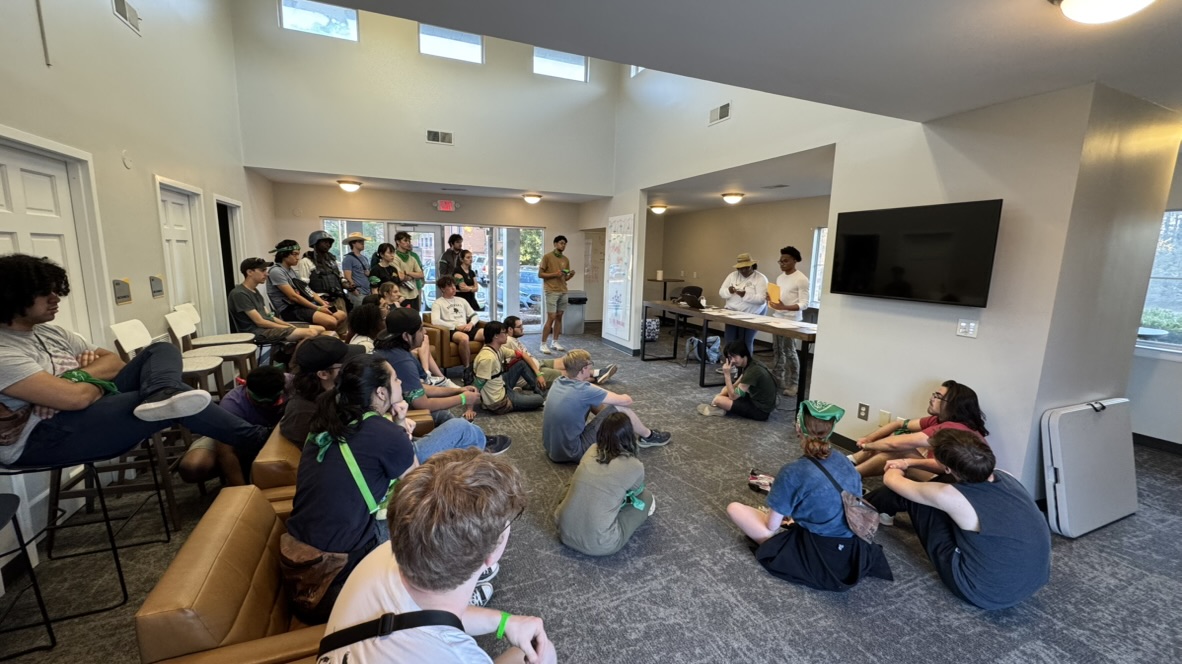
Brief everyone
Players learn boundaries, safe zones, equipment rules, identification, conduct expectations, and reporting channels.
The game
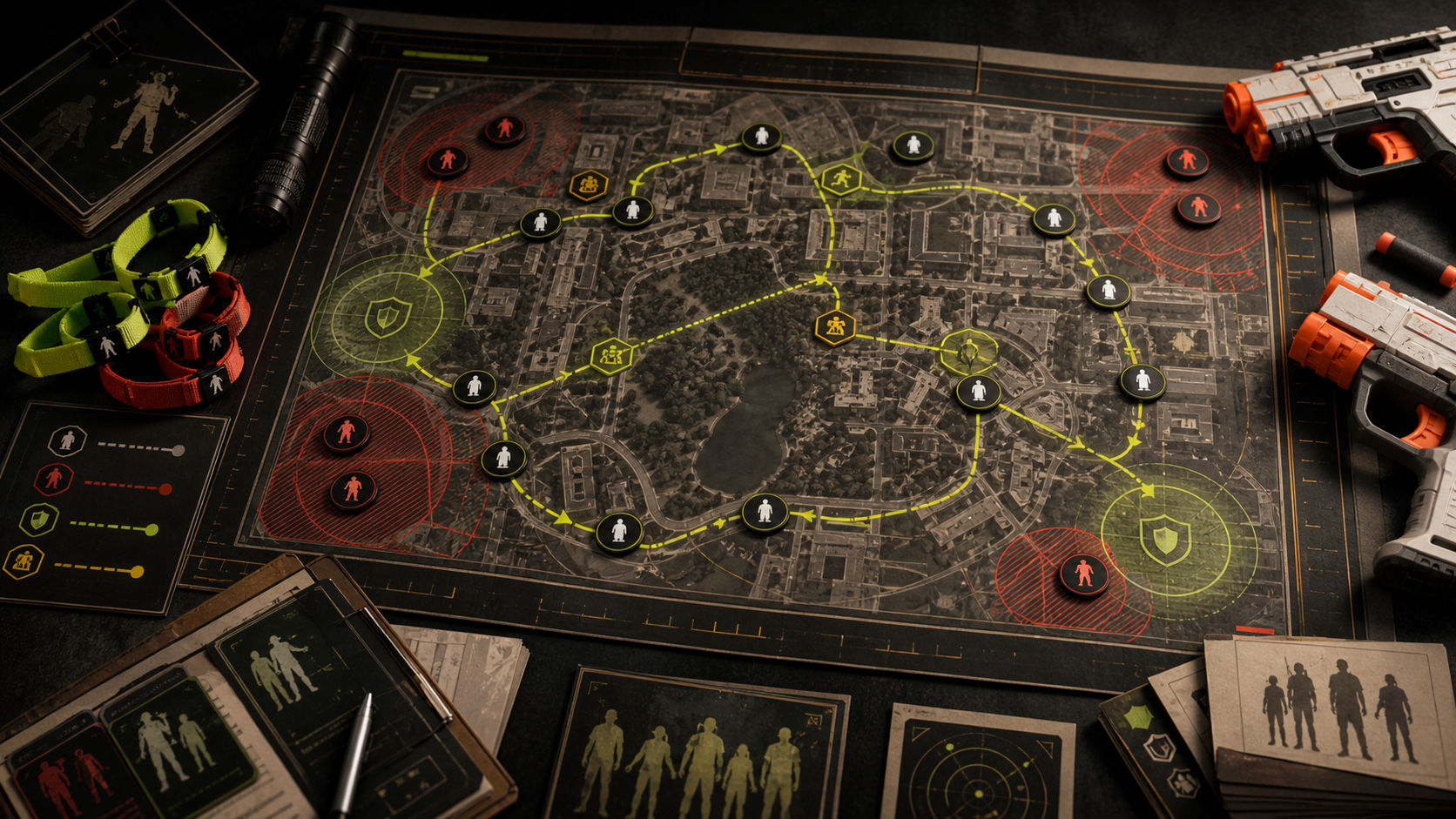
Players begin as humans or zombies. Zombies tag humans to spread the infection. Humans coordinate, complete missions, and use approved stun tools to survive. The result is a social, physical, story-driven event that turns ordinary campus spaces into memorable game territory.
Residential engagement model
The SEAHO presentation framed HVZ as both a learning program and an engagement program: students meet people, interact with campus partners, solve objectives, and participate in a themed experience that still has structure and outcomes.
Core loop
Players learn boundaries, safe zones, equipment rules, identification, conduct expectations, and reporting channels.
A small zombie population begins the game while humans organize teams and survival routes.
Objectives bring players together for escort runs, supply drops, puzzle events, defense points, and final stand moments.
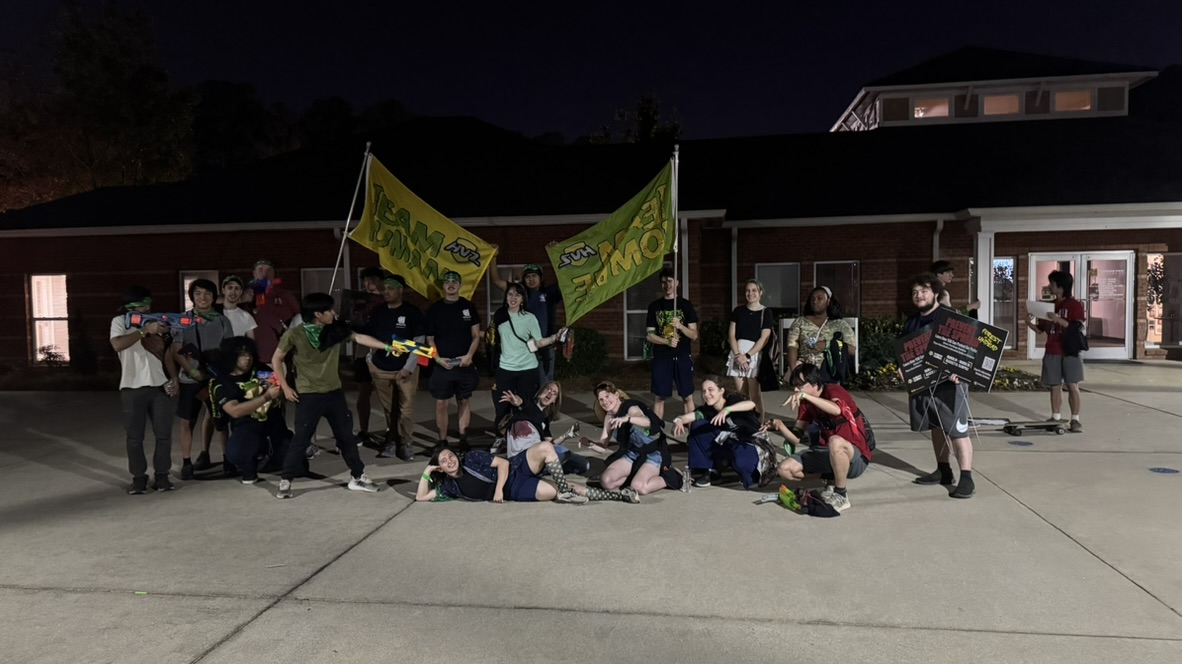
The best games end with a finale, awards, photos, recaps, and a reason for players to return next season.
Why players care
The format creates immediate social stakes. Humans move together because isolation is risky. Zombies recruit through play. New players can join because the premise is simple, while experienced players stay engaged through missions, squads, powerups, objectives, and strategy.
Safety by design
Defined play zones and no-play zones
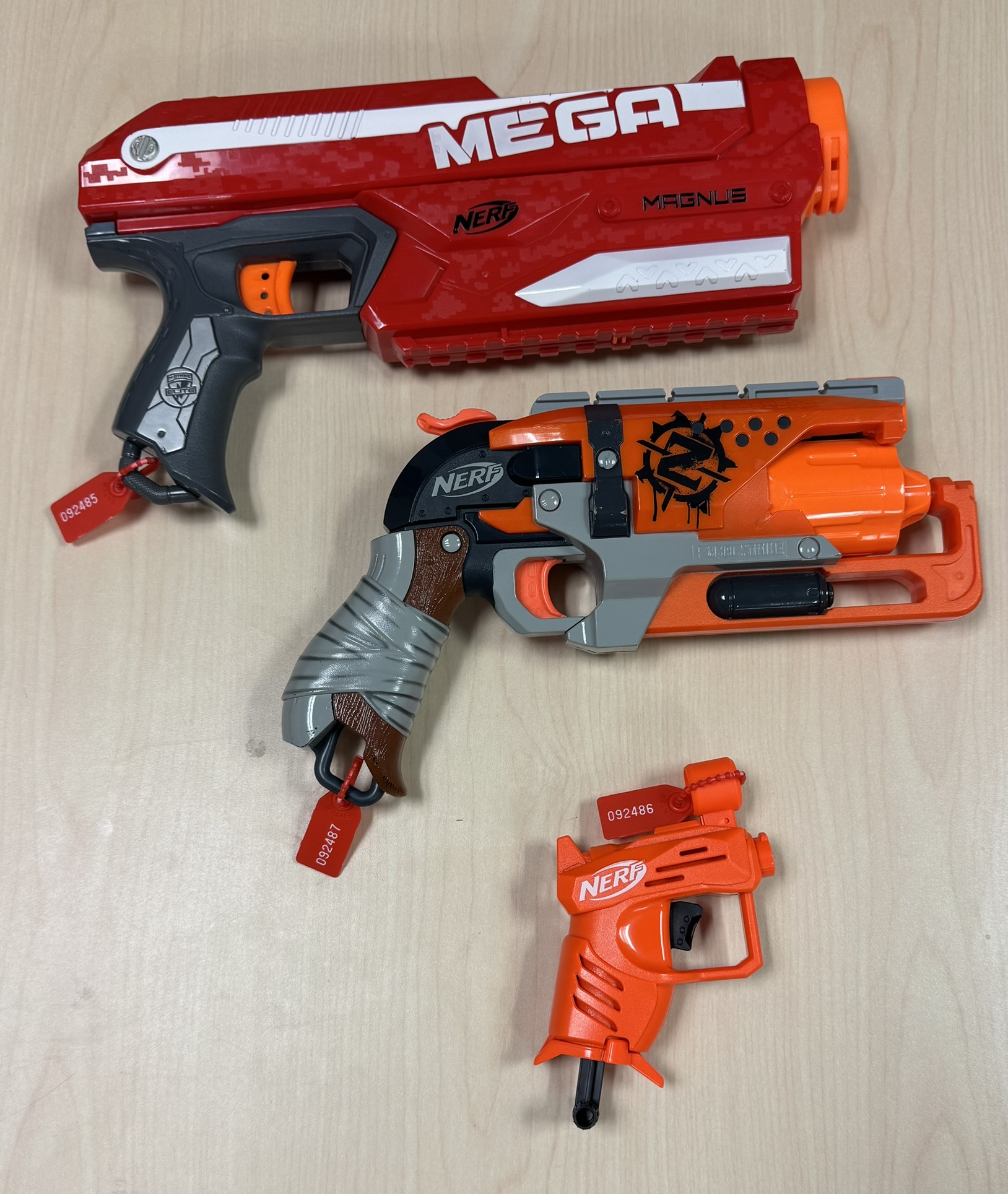
Clear equipment rules and campus partner approval
Player IDs, wristbands, or other visible status markers
Moderator rulings, incident reporting, and communication channels
Opt-in location and live-game features where appropriate
Elements of a successful HVZ
Bring departments into the experience instead of treating them as approvals after the fact.
Give players clear reasons to move, coordinate, and return throughout the event.
Use campus locations, clues, and videos to make the event feel local and personal.
Build anticipation before game week with visuals, giveaways, and social media.
Track registrations, interactions, tags, objectives, and impact for future planning.
Balance simple rules with enough mystery, teamwork, and pressure to keep players invested.
Next